Module week: Week 37 (starting 8 September 2026)
Recorded lecture — now available online. Watch it in the course portal. The computer lab (Wednesday 13:00–17:00) and seminar (Friday 10:00–12:00) are held live over Zoom.
Module 3 focuses on clinical applications of AI and machine learning with an emphasis on multi-omics integration, biomarker discovery, and clinical data analysis. The module highlights how biologically informed models and novel machine learning methods can advance personalized medicine, cancer genomics, and systems biology modeling.
Lecturer: Avlant Nilsson (Assistant Professor at Karolinska Institutet)
Title: Biologically Informed Neural Networks for Precision Medicine
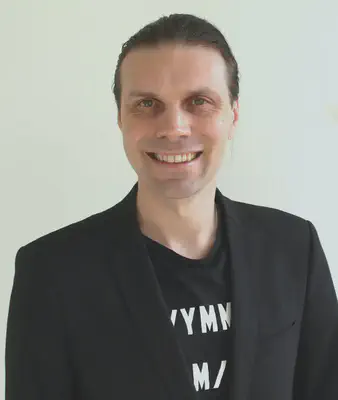
Avlant Nilsson is Assistant Professor in the Department of Cell and Molecular Biology at Karolinska Institutet, where he leads a research group focused on deep learning models of cancer mechanisms. He obtained his PhD in Systems Biology from Chalmers University of Technology (2014–2019), after earlier degrees in Biological Engineering and Engineering Physics, and most recently completed a postdoctoral position at MIT (2019–2023). His work involves developing interpretable deep learning methods constrained by known biomolecular interactions to analyze large-scale omics (transcriptomics, proteomics, metabolomics) and perturbation data, with goals that include revealing drug targets, biomarkers, resistance mechanisms, and modeling tumor microenvironment interactions.
Lecturer: Golnaz Taheri (Assistant Professor at KTH Royal Institute of Technology)
Title: A Network-Based Machine Learning Approach to Identify Cancer Driver Genes
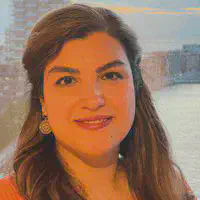
Golnaz Taheri is an Assistant Professor in the Division of Computational Science and Technology at KTH Royal Institute of Technology and a Data-Driven Life Science (DDLS) SciLifeLab & Wallenberg Fellow. She holds a PhD in Computer Science and previously served as an Assistant Professor in the Data Science Research Group at Stockholm University. Her research focuses on developing novel machine learning methods applied to large-scale, complex biological data to uncover developmental, temporal, and spatial patterns, with applications in personalized medicine, cancer genomics, and other life science domains.
The computer lab notebook will be released at the start of the module week; you will present your lab work at the Friday seminar.